
Some calls are lost not because a business failed, but because a customer simply ran out of patience.
Now think about how often that happens!
A tired customer dials support, hoping someone will pick up quickly. Instead, they’re met with long ringing, then hold music, then more waiting. By the time an agent finally reaches them, the frustration has already set in. On the other side of the line, the agent is juggling five things at once, doing their best with a system that can’t keep up.
This isn’t neglect. It’s the reality of traditional call centers that were never designed for the speed people expect today.
Now imagine that same customer calling again, but the experience feels completely different. Someone answers right away. Their questions are understood instantly. So, no awkward pauses, no transfers, and no stress.
That small moment of ease is what companies are trying to achieve now. And this is where the idea of an AI Call Center becomes more than a tech upgrade. It becomes a way to help customers feel heard and help teams relax a bit.
So, how does this efficient setup actually work, and what does it change for the people who rely on it every day? Let’s take a simple walk through it.
What Makes an AI Call Center Different From Traditional Models
Old call centers depend heavily on manual workflows. Agents pick up every question, even repeated ones. Notes get typed slowly. Information gets passed around, and customers wait. A modern setup handles the small, repetitive pieces before the call even reaches the team.
Here is a simple side-by-side view:
Traditional Call Center | AI-Driven Call Center |
Agents answer every call manually | Routine calls handled instantly |
Long wait times during peak load | Calls sorted and responded faster |
Notes taken by hand | Information captured automatically |
Customers repeat details | Caller details prepared ahead of time |
Tough to scale with growth | Easier to grow without hiring waves |
This shift gives teams more breathing room, and it gives customers a smoother experience from the first second.
The Core Components of an AI-Powered Call Center
Even though the technology behind it is quite advanced, the structure itself is simple. You can imagine it as three layers working together like a clean workflow.
The front layer receives the call, understands the request, and gets the right information ready.
The middle layer checks previous history, gathers helpful details, and prepares what the customer might need next.
The support layer handles tasks like logging information, sending follow-ups, routing to people, or preparing summaries so agents do not have to waste time repeating routine actions.
Each piece plays a role in helping teams stay consistent even on busy days. This is where tools like call center AI software really shine. Everything stays organised without feeling overwhelming for the team.
Real Scenarios: What AI Handles And What Humans Handle
It is not about replacing people. It is about giving people the space to focus on conversations that truly need a human touch.
Here are small examples across industries to give a clearer picture.
Healthcare
Routine reminders, appointment confirmations, and basic queries can be handled automatically. But when a patient feels worried or confused, that is where a real agent steps in.
E Commerce
Order tracking, availability updates, and store information can be handled by technology. Personalized recommendations and issue escalations go to the team.
Service Businesses
Common questions, booking confirmations, and follow-ups can be handled instantly. Conversations that require empathy or problem-solving stay with agents.
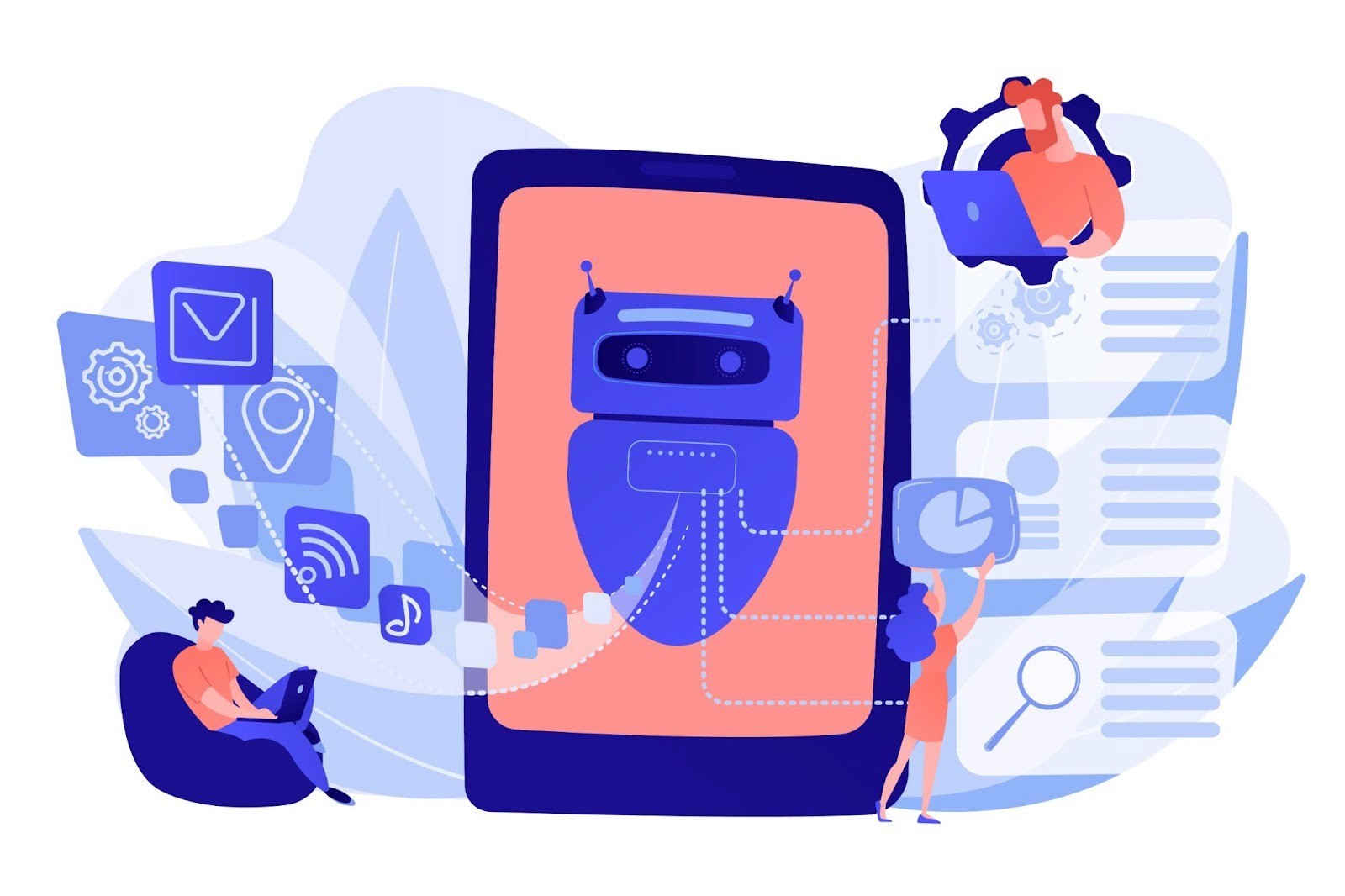
Image: Freepik
Each example shows the same idea. The repetitive parts get handled quickly, so your team can stay focused on moments that matter. So, tools like call center AI keep everything aligned across departments.
Why Faster Responses Directly Increase Satisfaction Scores
Customers usually care about only two things:
Did someone answer me quickly?
Did they solve my problem without sending me around in circles
Most poor reviews come from slow replies and long waits. When responses are quicker, satisfaction scores naturally rise. You will notice fewer follow-up calls and fewer frustrated customers.
Fast responses do not happen magically. They happen when teams are not drowning in repetitive questions. One good customer experience tends to lead to repeat business. Multiply that by hundreds of calls a week, and the impact becomes very satisfying.
How CallBee Enhances Call Center Efficiency
This is where CallBee makes everything feel smoother. It takes the clutter out of everyday call work and handles the time-consuming pieces in the background.
Here is a snapshot of how it helps:
It automates voice calls for reminders, confirmations, and follow-ups, so your team doesn’t have to do it manually.
It integrates with your calendar and CRM, meaning appointments made on calls sync correctly into your systems.
Callbee works around the clock, so it advertises 24/7 availability for agents.
It supports multiple communication channels, not just voice, but WhatsApp, SMS, and chatbot. So, all managed from one dashboard.
Callbee gives analytics and insights. You can monitor call and campaign performance, and get real-time metrics.
CallBee feels like the quiet helper every team wishes they had. These capabilities mean your team can stop juggling repetitive tasks and instead focus on more meaningful customer conversations, while CallBee handles the basics reliably in the background.
Tracking KPIs In an AI Call Center
When operations become smoother, performance naturally shifts too. Some of the KPIs that usually improve include:
Shorter wait times
More accurate call routing
Faster resolutions for simple questions
Reduced pressure on agents
Better customer satisfaction
Lower cost per call
Consistent service quality across shifts
These results show up clearly on dashboards. What used to take months to fix becomes easier to monitor and improve week by week.
Common Implementation Questions
Will my team need special training?
Only a little. Most modern setups are designed to feel intuitive.
Will customers notice a difference?
Yes, mostly because they are not stuck waiting or repeating themselves.
Will this reduce the need for human agents?
Not at all. It simply shifts routine work away from them.
Is it difficult to integrate?
Tools today fit smoothly with existing systems, especially platforms like efficient AI call center software.
Does it work for small teams?
Absolutely. Smaller teams often feel the biggest improvement.
Small Teams vs Large Teams
Small teams
They often deal with long queues and limited staffing. A modern call setup gives them the chance to handle higher volume without feeling stretched thin. The team gets time to breathe, and calls get answered faster.
Large teams
Bigger departments usually struggle with consistency. Technology fills the gaps so every customer gets the same quality experience regardless of which agent picks up.
This balance is exactly why businesses across industries are looking at AI based call center models rather than expanding the old way.
Conclusion
Call centers are changing, and the shift is long overdue. People want answers without long waits, and teams want workflows that do not drain them. A modern AI Call Center brings both sides together. It handles small tasks quietly, shares information clearly, and keeps every call moving without the usual stress.
With CallBee in place, customers get the attention they deserve, agents feel supported instead of overwhelmed, and businesses finally experience what smooth, reliable call handling feels like. It is a practical step forward for any team that wants to grow without losing the human touch!